
Slot games. From the flashing lights of Vegas casinos to the digital realms of online platforms, they hold an undeniable allure. But what exactly fuels this widespread popularity? What is it about spinning reels and the promise of a jackpot that captivates players worldwide? This article offers an expert analysis, diving deep into the mechanics, psychology, and design elements that contribute to the enduring success of slot games.
We’ll move far beyond superficial observations to uncover the intricate layers of game design, exploring how developers masterfully blend chance, anticipation, and reward. Prepare to have your perceptions challenged and your understanding of slot game popularity enriched.
Consider games like Starburst, with its vibrant colors and arcade-style feel, or Book of Ra, renowned for its immersive Egyptian theme and high volatility. Perhaps you favor Mega Moolah, famous for its colossal progressive jackpots, or the innovative gameplay of Gonzo’s Quest. Each title exemplifies a unique approach to engaging players. The goal is to dissect these approaches, revealing the core principles behind the slot game phenomenon.
The Foundation: Core Elements of a Successful Slot Game
Slot games, at their core, are built upon a few fundamental components working in harmony. These elements dictate not only the visual presentation but also the underlying mechanics that determine your chances of winning. Understanding these core elements allows you to appreciate the intricacies of slot design and make more informed decisions about which games to play.
Reels, Symbols, and Paylines: The Building Blocks
Slot reels are the vertical columns that spin when you press the “spin” button. Classic slots often feature three reels, while modern video slots typically have five or more. These reels are populated with various symbols. Standard symbols create winning combinations when aligned correctly on a payline. Then come wild symbols, which act as substitutes for other symbols to complete winning combinations. Scatter symbols often trigger bonus features, regardless of their position on the reels. Paylines are the predetermined patterns on the reels that winning combinations must follow. Some slots have fixed paylines, while others allow you to adjust the number of active paylines. For instance, a game like “Starburst” offers a more streamlined experience with its bidirectional paylines, while “Book of Ra” keeps things classic with adjustable paylines across five reels. The interplay between reels, symbols, and paylines determines the volatility and potential payouts of a slot game.
RNG and Fairness: Ensuring Random Outcomes
At the heart of every legitimate slot game lies the Random Number Generator (RNG). The RNG is an algorithm that generates a sequence of random numbers, which then determine the outcome of each spin. In simpler terms, the RNG ensures that every spin is independent and unbiased, just like flipping a coin. The misconception that slots have “hot” or “cold” streaks is false; each spin is a fresh event. Certified RNGs are crucial for ensuring fair play. Gaming authorities like the Malta Gaming Authority (MGA) or the UK Gambling Commission (UKGC) license and regulate online casinos. These authorities require rigorous testing of RNGs to ensure their integrity. You can usually find licensing information at the bottom of a casino’s website. Always check for these certifications to guarantee a fair gaming experience.
Bonus Features: Free Spins, Multipliers, and Mini-Games
Bonus features are special elements incorporated into slot games to enhance gameplay and offer additional opportunities to win. Free spins are a common bonus, awarding a set number of spins without deducting from your balance. Multipliers increase the payout of winning combinations during regular gameplay or bonus rounds. Imagine hitting a winning line in “Gonzo’s Quest” and then watching a multiplier boost your payout even higher. Mini-games offer interactive experiences outside the main reel spinning. These can range from simple pick-and-win games to more complex challenges with progressive rewards. I remember playing a slot where I had to match symbols in a grid to reveal prizes – it added a layer of strategy and excitement beyond the standard spinning action. Bonus features not only increase your winning potential but also add variety and engagement to the overall slot experience, giving each game its own unique identity.
Psychological Levers: The Art of Player Engagement
Variable Rewards: The Dopamine Rush
The allure of slot games isn’t purely random; it’s carefully engineered, tapping into the deepest parts of the human reward system. Variable rewards are a prime example. Unlike predictable outcomes, variable rewards introduce an element of surprise, delivering payouts at irregular intervals. This unpredictability triggers the release of dopamine, a neurotransmitter associated with pleasure, motivation, and learning. The brain essentially goes into a state of anticipation, craving the next potential reward. Think about it: if every spin resulted in the same small payout, the excitement would quickly fade. It’s the possibility of a big win, fueled by dopamine, that keeps players engaged. Ethically, variable rewards should be implemented responsibly, ensuring that players are fully aware of the odds and that winning remains a possibility, not a false promise.
The Near Miss Effect: Almost There!
That agonizing feeling when the symbols almost align perfectly? That’s the near miss effect in action. It’s a psychological quirk where outcomes that closely resemble a win are perceived as encouraging, even though they’re still losses. Slot games capitalize on this by designing reels that frequently stop just short of a winning combination. The brain interprets this “close call” as evidence that a win is imminent, prompting the player to keep spinning. Controlling this effect is hard, but achievable. From the ethical point of view the player should be concious about the odds and don’t go over the budget planned.
The Illusion of Control: Feeling in Charge
Despite the inherent randomness of slot games, many incorporate features that give players the feeling of control. A classic example is the ability to stop the spinning reels mid-cycle. While this action doesn’t actually influence the outcome (which is predetermined by a random number generator), it creates the illusion of agency. Players feel more involved and believe they have some influence over their fate. This illusion of control is highly appealing, as it taps into our innate desire to exert influence over our environment. Testing this illusion involves analyzing player behavior and feedback, ensuring that the perceived control enhances enjoyment without misleading players about their actual influence on the game’s outcome.
Beyond the Basics: Features that Make a Slot Stand Out
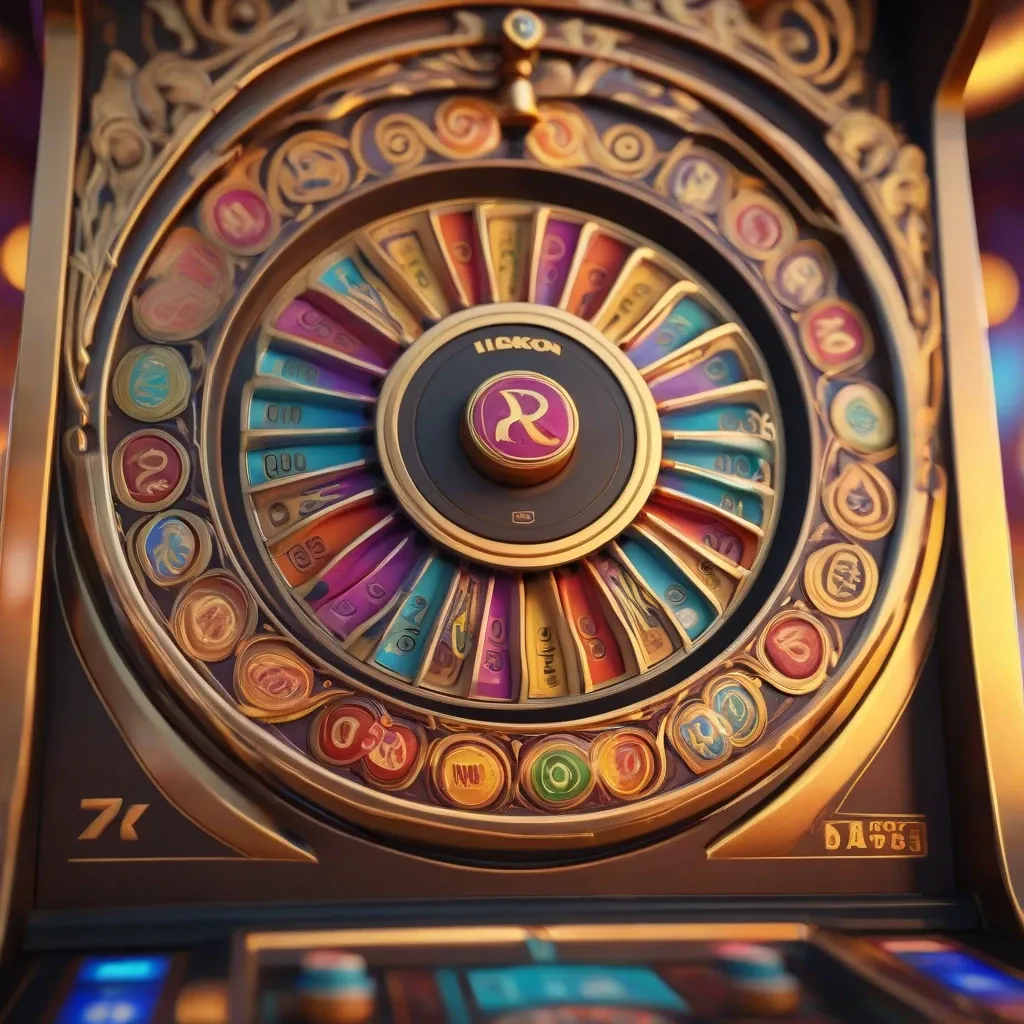
The world of online slots is a constantly evolving landscape, with developers continually pushing the boundaries of innovation to create captivating and rewarding experiences. While traditional slots rely on fixed paylines and familiar reel structures, the most successful games incorporate groundbreaking mechanics that redefine gameplay. Features like Megaways, cascading reels, and cluster pays have become hallmarks of modern slot design, injecting dynamism and excitement into every spin.
Megaways: Dynamic Paylines for Maximum Excitement
Megaways, a revolutionary mechanic developed by Big Time Gaming, has taken the slot world by storm. Unlike traditional slots with fixed paylines, Megaways slots feature a random number of symbols on each reel per spin. This creates a staggering number of potential winning combinations, often exceeding hundreds of thousands. Games like “Bonanza” and “White Rabbit” propelled Megaways to superstardom, captivating players with their high volatility and the promise of massive payouts. The best use cases involve themes that can visually represent the dynamic nature of the mechanic, such as mining or fantasy worlds where anything can happen.
Cascading Reels: Chain Reactions of Wins
Cascading reels, also known as tumbling reels or avalanche reels, add an extra layer of excitement to slot gameplay. When a winning combination occurs, the winning symbols disappear, and new symbols cascade down to fill the empty spaces. This can create a chain reaction of wins from a single spin, as new winning combinations are formed. Players interact with this feature by watching the reels tumble and anticipating the potential for consecutive wins. Visually, these slots often feature dynamic animations that highlight the cascading action, making it clear when the feature is in play.
Cluster Pays: Ditching Paylines for Group Wins
Cluster pays mechanics throw traditional paylines out the window, instead rewarding players for forming clusters of matching symbols on the grid. These slots often feature larger-than-usual grids and a focus on visual appeal. “Aloha! Cluster Pays” and games from the “Reactoonz” series provide engaging visual experiences, showcasing how clusters form and explode with winning potential. The visual feedback is crucial; clear indicators highlight the clusters and their corresponding payouts. The importance of this mechanic lies in its ability to create a more engaging and visually stimulating experience, moving away from the linearity of paylines and emphasizing the interconnectedness of symbols.
The Numbers Game: RTP, Volatility, and Player Perception
RTP: What It Means and Why It Matters
RTP, or Return to Player, represents the percentage of wagered money a slot machine is programmed to pay back to players over the long term. For example, a slot with a 96% RTP theoretically returns $96 for every $100 wagered. It’s crucial to understand that this is a theoretical number calculated over millions of spins, not a guarantee for any single gaming session. Players should be wary of misconceptions like expecting immediate returns aligning with the stated RTP. RTP information is often found in the game’s settings or help menu. For instance, one slot might advertise a 96.5% RTP, while another lists 94%, directly influencing player choice.
Volatility: The Thrill of Risk vs. Reward
Volatility, also known as variance, describes the risk level associated with a slot game. High volatility slots offer the potential for large payouts but with less frequent wins. Low volatility slots, conversely, provide more frequent, smaller wins. Imagine a high volatility slot where hitting the jackpot could mean a life-changing win, but dry spells are common. A low volatility slot might consistently offer small wins, keeping you engaged without significant risk. For example, one popular slot is known for its high volatility and potential for massive multipliers, contrasting sharply with another game favored for its steady stream of smaller payouts.
Player Perception: It’s Not Just About the Math
Player perception goes beyond pure mathematics. Cognitive biases and recent experiences heavily influence how players view a slot’s fairness and potential. The “gambler’s fallacy,” believing past outcomes affect future spins, is a common example. I’ve observed players who swear by high volatility slots, chasing that elusive big win, while others prefer the steady, predictable nature of low volatility games. A recent losing streak on a high volatility game might drive someone to a low volatility option, seeking to recoup losses with more frequent wins, regardless of the underlying RTP.

Aesthetic Appeal: Visuals, Sound, and Thematic Immersion
Slot aesthetics play a pivotal role in captivating players and turning casual spins into memorable experiences. It’s more than just flashing lights; it’s about crafting a cohesive sensory environment that heightens enjoyment and keeps players engaged. The combination of visual design, sound design, and thematic immersion works in harmony to create a holistic gaming experience that can make or break a slot’s success.
From a design perspective, understanding player preferences is key. What resonates with one demographic might not appeal to another. That’s why a deep dive into data, player feedback, and industry trends is essential to make informed decisions about the look and feel of a slot game.
Great attention to detail and commitment to innovation—making aesthetics a key part of the whole slot experience—can lead to the creation of slots that are not only fun but also works of art. This investment translates directly into increased player engagement and retention.
Visual Design: Graphics, Animations, and User Interface
Slot graphics have evolved significantly over the years. Early slots featured simple, fruit-based symbols, while modern games boast stunning 3D graphics and intricate animations. The user interface (UI) is crucial; it must be clear, intuitive, and responsive. A well-designed UI ensures players can easily navigate the game, understand the rules, and manage their bets without confusion. Current preferences favor sleek, modern designs with smooth animations, a stark contrast to the clunkier interfaces of older slots.
Sound Design: Setting the Mood
Sound design is the unsung hero of slot aesthetics. Carefully crafted sound effects and background music can dramatically impact the gaming experience. Upbeat tempos and jangling coins often create a sense of excitement, while more subdued melodies can induce a feeling of relaxation. Sound effects are strategically used to signal important events, such as winning combinations or bonus triggers. Popular instruments include electronic synths for high-energy games and orchestral arrangements for more cinematic themes.
Thematic Immersion: Creating a Cohesive World
Thematic immersion involves enveloping the player in a cohesive game world through visuals, sounds, and narrative elements. Successful slot themes range from ancient civilizations and fantastical realms to popular movies and TV shows. Themes create emotional connections with players; a player who loves Greek mythology, for instance, will be drawn to a slot based on that theme. By weaving a compelling narrative and designing the game world accordingly, developers can transform a simple slot into an immersive adventure.
Platform and Reach: Why Slots are Everywhere
The widespread reach of online slots isn’t just about luck; it’s about savvy design and understanding what makes players tick. Social features are a huge draw. Think about the thrill of competing on leaderboards, seeing your name rise as you hit winning streaks. Slot tourneys amplify this, creating a sense of community as players battle for the top spot. The accessibility of slots plays a massive role. They’re available on almost any device, meaning that a quick spin is always within reach.
But what types of social engagement are most effective? Features that foster friendly competition and shared experiences tend to resonate. Actions like gifting bonuses to friends or celebrating big wins together are important for users. While specific platforms might dominate in certain territories, a multi-platform approach usually works best. Being available where your audience already spends their time and building a strong community are main drivers of popularity.
Conclusion
The enduring popularity of slot games boils down to a potent cocktail: compelling slot game design, psychology, and ever-evolving technology. Savvy developers understand that a visually appealing game is just the starting point. Successful titles hook players with cleverly implemented game mechanics, keeping them engaged and entertained for extended periods.
From understanding the power of near-misses to leveraging the thrill of anticipation, these expert insights into player psychology are invaluable. As technology advances, we can expect even more innovative features and immersive experiences to emerge in the world of online slots.
The future of slot game design promises to be as dynamic and unpredictable as the games themselves. Feel free to contact for more detailed information and expert consultation that helps to understand the player needs.